Lemon Bundt Cake
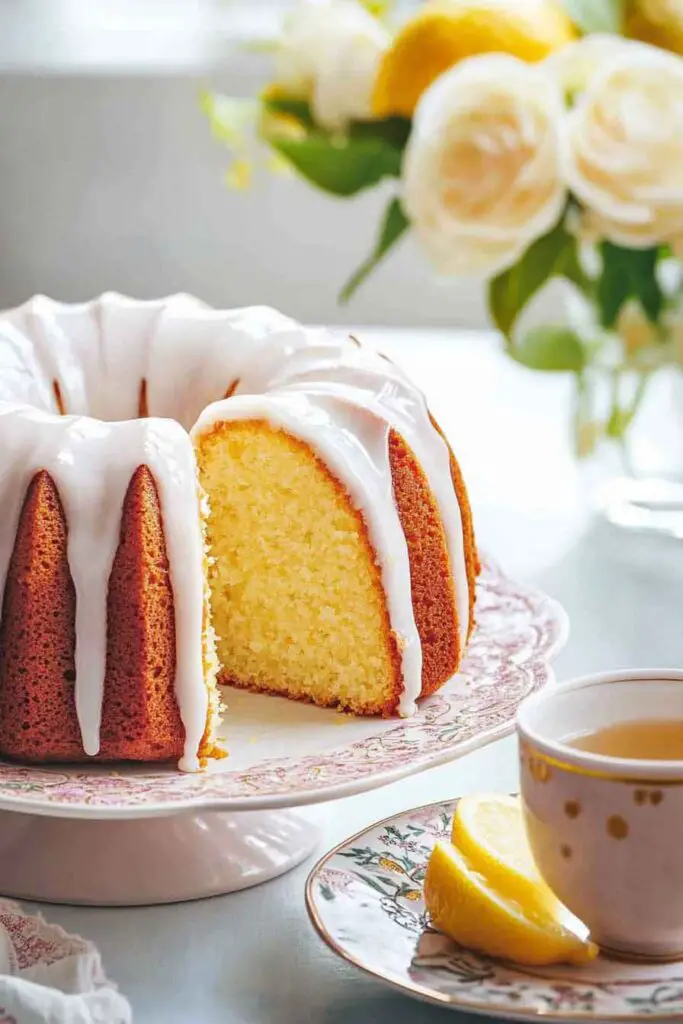
Lemon Bundt Cake brings bright, citrusy elegance to your dessert table with a simple 15-minute prep and foolproof technique. Readers rave about this moist cake, calling it a “showstopper,” “perfectly balanced,” and “restaurant-quality at home.” This tender, fragrant cake with its silky lemon glaze is the perfect choice for brunches, potlucks, celebrations, or simply satisfying that afternoon sweet craving.
Why You’ll Love This Recipe
Reader Favorite: Home bakers consistently report that guests ask for the recipe immediately after their first bite.
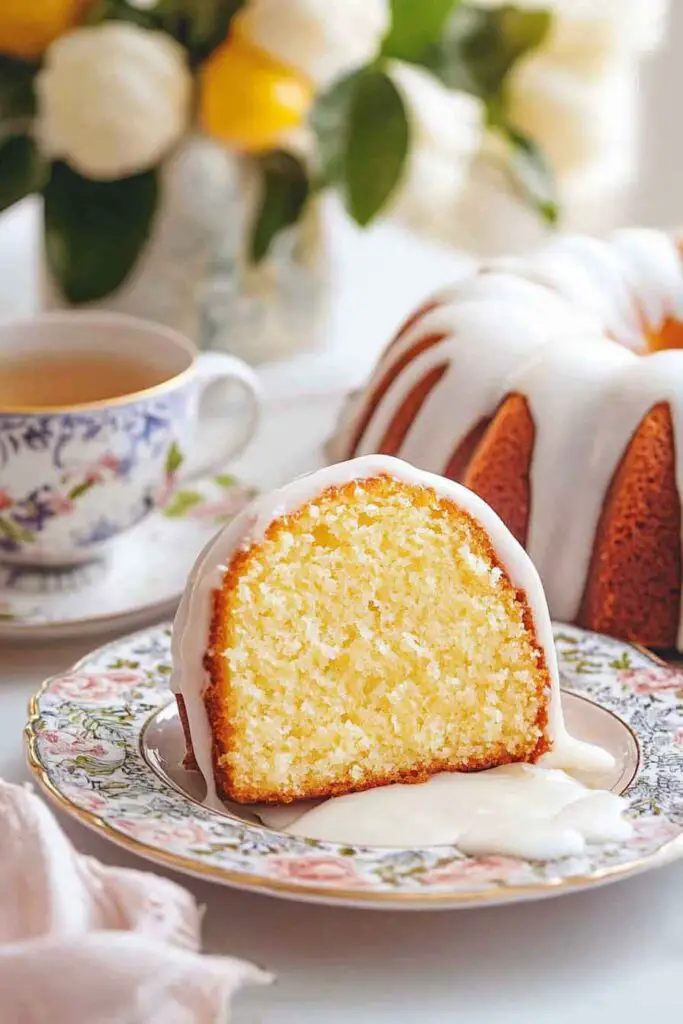
Moist and Tender: The combination of sour cream and whole milk creates an incredibly tender crumb, while lemon zest and fresh juice deliver bright, sophisticated flavor.

Elegant Presentation: The beautiful Bundt shape and glossy glaze make this cake look like it came from a professional bakery, even though it’s surprisingly simple to make.
Make-Ahead Friendly: This cake actually improves a day after baking, making it perfect for advance planning.
Versatile: Serve it for breakfast with coffee, as a light dessert after dinner, or as a stunning centerpiece at any gathering.
What You Need to Know Before You Start
Prep Time & Cook Time:
Prep Time: 15 minutes Cook Time: 45-50 minutes Cooling Time: 15 minutes (plus 1 hour for complete cooling before glazing) Total Time: About 2 hours
Servings:
This recipe makes one 12-cup Bundt cake, which yields 12-16 generous slices depending on how you cut them.
Difficulty:
Easy to moderate. Even beginner bakers find success with this recipe. The key is not overmixing the batter and using room-temperature ingredients.
Required Kitchen Tools
- One 12-cup Bundt cake pan
- Two mixing bowls (one medium, one large)
- Measuring cups and spoons
- Whisk
- Electric mixer or mixing by hand
- Zester or microplane grater
- Juicer or citrus reamer
- Wooden spoon or spatula
- Wire cooling rack
- Toothpick for testing doneness
Ingredients for Lemon Bundt Cake
Here’s everything you’ll need to create this citrus-infused masterpiece:
For the Cake:
- 2 and 1/4 cups (281g) all-purpose flour, spooned and leveled
- 1 and 1/2 teaspoons baking powder
- 1/2 teaspoon baking soda
- 1/2 teaspoon salt
- 3/4 cup (170g) unsalted butter, softened to room temperature
- 1 and 1/2 cups (300g) granulated sugar
- Zest of 3 fresh lemons (about 2 tablespoons)
- 3 large eggs, at room temperature
- 2 teaspoons pure vanilla extract
- 1/2 cup (120ml) whole milk
- 1/2 cup (120ml) sour cream
- 3 tablespoons fresh lemon juice
For the Lemon Glaze:
- 1 and 1/2 cups (180g) powdered sugar, sifted
- 2 to 3 tablespoons fresh lemon juice
- 1 tablespoon melted butter
- Pinch of salt
- Lemon zest for garnish (optional)
Why These Ingredients Matter
Fresh Lemons: Using fresh lemon zest and juice is essential. Bottled lemon juice contains preservatives and lacks the bright, complex flavor of fresh fruit. When you zest your lemons, press gently to avoid the bitter white pith underneath.
Room Temperature Ingredients: Cold ingredients don’t mix smoothly, leading to lumpy batter and uneven texture. Remove eggs, butter, and dairy from the refrigerator at least 30 minutes before baking.
Sour Cream: This ingredient adds tang and moisture to the crumb while contributing to the cake’s tender texture. Don’t skip it or substitute regular yogurt, as the fat content matters.
Butter: Use real butter, not margarine or oil blends. The fat content creates the characteristic texture and flavor home bakers expect.
Variations for Lemon Bundt Cake
Lemon Poppy Seed: Fold in 2 tablespoons of poppy seeds to the batter for a traditional twist and subtle nutty flavor.
Extra Moist Version: Add 1/4 cup of simple syrup (equal parts sugar and water, cooled) drizzled over the cake after it cools but before glazing.
Lemon Lavender: Steep 1/2 teaspoon of culinary lavender in the milk for 10 minutes, then strain before adding to the batter for a floral note.
Blueberry Lemon: Toss 1 cup of fresh blueberries with 1 tablespoon of flour, then gently fold them into the finished batter.
Lighter Version: Replace sour cream with Greek yogurt for a tangy variation, though the texture will be slightly less rich.
Almond Extract Accent: Add 1/4 teaspoon of almond extract alongside the vanilla for deeper complexity.
How to Make Lemon Bundt Cake: Step-by-Step Instructions
1. Prepare Your Pan
Preheat your oven to 350°F (175°C). Generously coat the Bundt pan with baking spray or butter and flour, ensuring you coat every crevice and detail. This step determines whether your cake releases cleanly. Pay special attention to the center tube and the fluted edges where cakes often stick.
2. Mix the Dry Ingredients
In a medium bowl, whisk together the flour, baking powder, baking soda, and salt. Set aside. Whisking combines these ingredients evenly and aerates the flour, which contributes to a lighter crumb.
3. Cream Butter and Sugar
Using an electric mixer on medium speed, beat the softened butter and sugar together for 3-4 minutes until the mixture is light, fluffy, and pale. This process incorporates air into the batter, creating a tender cake. Scrape down the bowl occasionally to ensure everything is evenly mixed.
4. Add Lemon Zest
Add the lemon zest to the butter mixture and beat for another 30 seconds. The zest contains essential oils that distribute throughout the batter, ensuring even lemon flavor in every slice.
5. Incorporate Eggs and Vanilla
Add the eggs one at a time, beating well after each addition. After all eggs are incorporated, add the vanilla extract and mix until combined. This step should take about 2 minutes total.
6. Combine Wet and Dry Ingredients
Reduce the mixer speed to low. Alternate adding the dry ingredient mixture and the combined milk and sour cream, starting with the dry ingredients. Follow this pattern: dry, wet, dry, wet, dry. Do not overmix. The batter should just come together. Overmixing develops gluten, which makes the cake tough rather than tender.
7. Add Lemon Juice
Gently fold in the fresh lemon juice using a spatula until just combined. The batter will be thick and creamy.
8. Pour Into Pan
Transfer the batter to your prepared Bundt pan, smoothing the top gently with a spatula. Tap the pan on the counter a few times to release any large air pockets.
9. Bake
Place in the preheated oven and bake for 45-50 minutes, until a toothpick inserted into the cake (not the glaze or chocolate chips) comes out clean or with just a few moist crumbs. The cake should be golden brown on top.
10. Cool
Let the cake cool in the pan for 15 minutes. This allows the cake to set enough to release cleanly. Run a thin knife around the edges and the center tube, then invert onto a wire cooling rack. Allow the cake to cool completely (about 1 hour) before glazing.
11. Make the Glaze
While the cake cools, prepare the glaze by whisking together the sifted powdered sugar, lemon juice, melted butter, and salt until smooth. The glaze should be thick enough to cling to the cake but thin enough to drip slightly. Adjust with more lemon juice or powdered sugar as needed.
12. Glaze the Cake
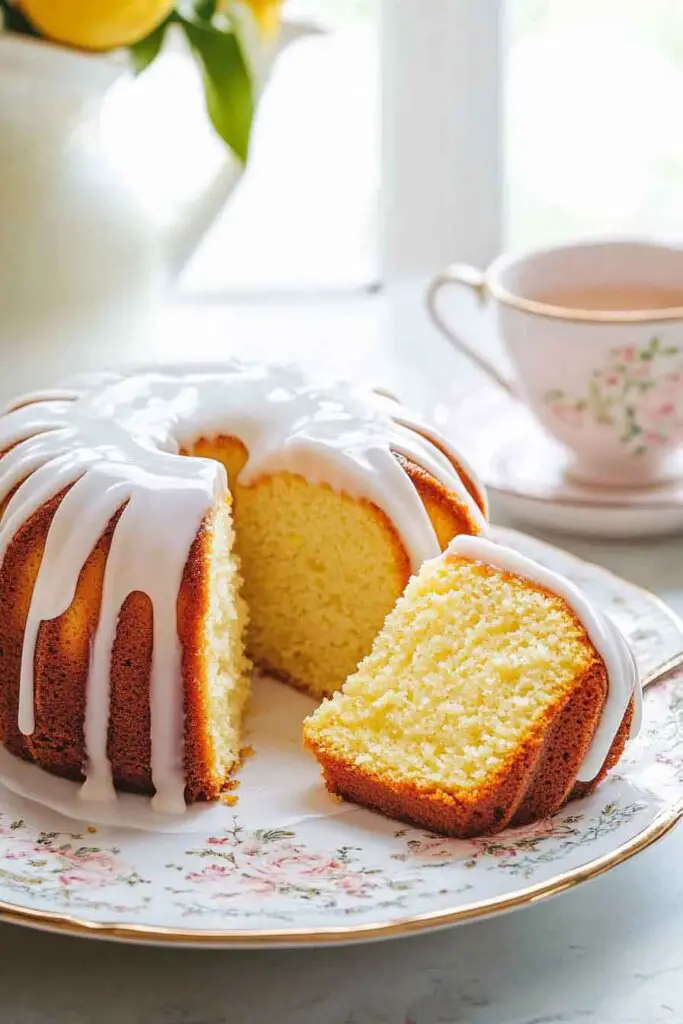
Once the cake is completely cool, place it on a serving plate or cake stand. Slowly pour the glaze over the top, allowing it to flow down the sides naturally. Sprinkle with additional lemon zest if desired. Allow the glaze to set for 20-30 minutes before serving.
How to Serve Lemon Bundt Cake
With Breakfast: Serve with coffee or tea and fresh berries for an elegant morning treat.
As Dessert: Present after dinner with whipped cream or vanilla ice cream for a lighter, refreshing finish.
At Celebrations: This cake’s elegant appearance makes it perfect for brunches, baby showers, garden parties, or afternoon tea.
With Fresh Berries: Top individual slices with raspberries or blueberries for color and tartness that complements the lemon.
With Whipped Cream: A dollop of lightly sweetened whipped cream adds richness to each bite.
Alongside Lemon Curd: For a decadent pairing, serve with a spoonful of homemade or store-bought lemon curd.
Storing Lemon Bundt Cake
Room Temperature: Keep the cake in an airtight container at room temperature for up to 3 days. The cake actually tastes better on day two as the flavors meld.
Refrigerator: Store in an airtight container for up to 5 days. The moist crumb keeps beautifully in cool conditions.
Freezer: Wrap the unglazed, cooled cake tightly in plastic wrap and then in aluminum foil. Freeze for up to 2 months. Thaw at room temperature for 2-3 hours before glazing and serving.
Glazed Cake: If frozen after glazing, the glaze may crack slightly upon thawing, but the cake remains delicious. Store glazed cakes in an airtight container rather than wrapped.
Tips and Tricks for Success
Invest in Fresh Lemons: The quality of your lemons directly impacts the final cake. Choose lemons that are bright yellow, firm, and heavy for their size, indicating more juice.
Room Temperature is Key: Cold eggs won’t incorporate smoothly into butter, and cold sour cream and milk create lumps. Take time to let ingredients reach room temperature.
Don’t Overmix: Mix only until ingredients are just combined. Overmixing the batter develops gluten, resulting in a tough, dense cake rather than the tender crumb you’re seeking.
Use a Reliable Oven: Invest in an oven thermometer to ensure your oven temperature is accurate. Ovens vary, and baking times may shift by 5-10 minutes based on your specific appliance.
Test for Doneness: Begin checking the cake at 42 minutes. A toothpick inserted into the thickest part should come out clean or with just a few moist crumbs. If wet batter clings to the toothpick, bake another few minutes and check again.
Let It Cool: Don’t skip the cooling time. The cake continues to cook slightly as it cools, and rushing this step can result in a cake that falls apart when removed from the pan.
Zest Before Juicing: Zest your lemons before cutting them open to juice. It’s easier to zest a whole lemon than to zest the halves after juicing.
Adjust Glaze Consistency: If your glaze is too thick, add lemon juice one teaspoon at a time. If it’s too thin, add powdered sugar. The consistency should coat a spoon but still drip slightly.
Nutrition Information
| Nutrient | Per Slice* |
|---|---|
| Calories | 285 |
| Total Fat | 12g |
| Saturated Fat | 7g |
| Cholesterol | 65mg |
| Sodium | 180mg |
| Total Carbohydrates | 42g |
| Dietary Fiber | 0.5g |
| Sugars | 32g |
| Protein | 3g |
*Based on 14 slices per cake. Nutrition varies based on glaze application and serving size.

Lemon Bundt Cake
Course: Cake Recipes12-16
slices15
minutes45
minutes300
kcal1
hourIngredients
- For the Cake:
2 and 1/4 cups (281g) all-purpose flour, spooned and leveled
1 and 1/2 teaspoons baking powder
1/2 teaspoon baking soda
1/2 teaspoon salt
3/4 cup (170g) unsalted butter, softened
1 and 1/2 cups (300g) granulated sugar
Zest of 3 fresh lemons
3 large eggs, room temperature
2 teaspoons vanilla extract
1/2 cup (120ml) whole milk
1/2 cup (120ml) sour cream
3 tablespoons fresh lemon juice
- For the Glaze:
1 and 1/2 cups (180g) powdered sugar, sifted
2-3 tablespoons fresh lemon juice
1 tablespoon melted butter
Pinch of salt
Lemon zest for garnish
Directions
- Preheat oven to 350°F (175°C). Generously coat a Bundt pan with baking spray or butter and flour.
- Whisk flour, baking powder, baking soda, and salt in a medium bowl. Set aside.
- Using an electric mixer, beat softened butter and sugar together for 3-4 minutes until light and fluffy.
- Add lemon zest and beat for 30 seconds.
- Add eggs one at a time, beating well after each addition. Mix in vanilla extract.
- Reduce mixer speed to low. Alternate adding dry ingredients and the combined milk and sour cream, starting and ending with dry ingredients.
- Fold in fresh lemon juice gently until just combined.
- Pour batter into prepared Bundt pan and smooth the top.
- Bake for 45-50 minutes until a toothpick inserted into the cake comes out clean or with just a few moist crumbs.
- Cool in pan for 15 minutes. Run a knife around edges and center tube, then invert onto a cooling rack.
- Allow cake to cool completely, about 1 hour.
- For the glaze, whisk powdered sugar, lemon juice, melted butter, and salt until smooth.
- Pour glaze over cooled cake and sprinkle with lemon zest if desired. Allow glaze to set for 20-30 minutes before serving.
Lemon Bundt Cake FAQs
Can I use bottled lemon juice instead of fresh?
While bottled lemon juice is convenient, fresh lemon juice provides superior flavor. Bottled versions contain preservatives and lack the brightness of fresh fruit. If you must use bottled, use high-quality versions and reduce the amount slightly, as they’re often more acidic.
Why did my cake sink in the middle?
A sunken center typically indicates underbaking or too much leavening agent. Ensure your baking powder and baking soda are fresh (they lose potency over time), and verify your oven temperature with a thermometer. Also, avoid opening the oven door during the first 35 minutes of baking.
Can I make this cake without sour cream?
Sour cream contributes both moisture and tang that’s difficult to replicate. Greek yogurt works as a substitute, though the texture will be slightly different. Plain yogurt is less ideal due to lower fat content. Don’t use sour cream alternatives like whipped topping substitutes.
My cake stuck to the pan. What went wrong?
Bundt pans require generous coating with baking spray or butter and flour. Ensure you coat the center tube and all fluted edges. Some bakers prefer using specialty Bundt cake release sprays. If the cake sticks, try placing the warm pan in the freezer for 10 minutes, which can help loosen it.
Can I make this cake ahead of time?
Absolutely. Bake the cake a day or two in advance and store it wrapped in plastic wrap at room temperature. The flavors actually develop and improve over time. Glaze it just before serving for the best appearance.
Can I double this recipe?
Yes, but you’ll need two Bundt pans or to bake in batches. Simply double all ingredients. Baking time should remain similar, though you’ll want to check for doneness around 45 minutes since oven temperatures vary.
What’s the difference between baking powder and baking soda?
Baking soda requires an acid (in this case, the sour cream and lemon juice) to activate and create rise. Baking powder is baking soda mixed with acid already, so it works independently. This recipe uses both for optimal rise and flavor.
Can I add other flavors to this cake?
Yes. Poppy seeds, almond extract, lavender, or blueberries all complement lemon beautifully. Add poppy seeds to the dry ingredients or fold blueberries gently into the finished batter. Limit additional extracts to 1/4 teaspoon so they don’t overpower the lemon.
Why is my glaze too thick or too thin?
Glaze consistency depends on the ratio of powdered sugar to lemon juice. Thick glaze is harder to drizzle but sets faster. Thin glaze drips beautifully but takes longer to set. Adjust by adding lemon juice (one teaspoon at a time) to thin or powdered sugar to thicken.
Conclusion
Lemon Bundt Cake represents the perfect balance of simplicity and elegance. With straightforward ingredients and basic techniques, home bakers can create a sophisticated dessert that rivals bakery quality. The bright citrus flavor, tender crumb, and beautiful presentation make this cake appropriate for both casual family gatherings and special occasions.
Whether you’re a seasoned baker refining your technique or a beginner discovering your baking confidence, this recipe delivers consistent, delicious results. The combination of fresh lemon juice and zest with the subtle tang of sour cream creates a flavor profile that feels special without being overly complicated. Keep this recipe in your regular rotation for afternoons when you want something homemade and impressive.
The versatility of this cake makes it valuable year-round. Serve it at spring brunches, summer garden parties, fall gatherings, or as a refreshing winter dessert. Bakers who have made this cake repeatedly report that it’s become a signature recipe they’re known for among family and friends.